
Accountability means making a small commitment visible to another person or group, then checking what happened. It can be as simple as asking a friend to text you after lunch. It does not mean giving someone control over your schedule or asking them to supervise you.
Oxford Health NHS suggests finding an accountability partner and joining a community to learn what help you need, and cautions that some online communities may share extreme or unscientific advice. Treat accountability as an option to test, not a proven treatment or a promise that you will finish more work. A check-in may help you notice a next step; it may also feel like pressure.
Make the commitment small and clear
Pick one task that matters today, then name an action someone could understand without a long explanation. “Open the form and fill in my address” is easier to check than “sort out paperwork.” Keep the goal small enough to try even if your energy changes.
Next, agree on the check-in. Say what you plan to do, when you will check back, and what kind of response you want. For example: “I’ll draft the first paragraph by 3 p.m. Can you ask me then whether I started? A thumbs-up is enough.” You can also ask for a reminder without sharing why the task is hard.
Set boundaries before you begin. Decide what details stay private, whether you want advice, and when the other person should stop checking in. If you miss the goal, use a neutral update: “I did not start; I will choose a smaller step.” The point is to gather information, not to create a reason for shame.
Choose a format that fits
Habitica’s Group Plans include a shared task board where members can assign tasks and view each other’s task status. This is a structured option for a small group that wants shared tasks to stay visible. It is different from a live coworking session: the official description focuses on shared tasks and progress, so do not expect a real-time work partner from this feature.
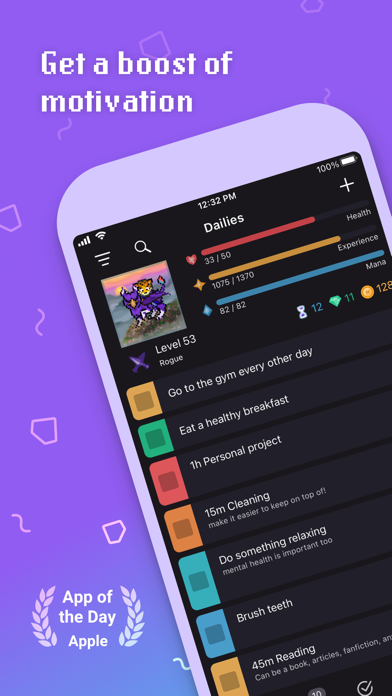
Before using a shared board, agree on who can see each task and who can assign work. Keep private, health, or confidential details out of a group task list. If the shared plan feels too public or complex, try a one-to-one check-in or a private reminder instead.
Inflow offers members access to a community of peers and ADHD-informed experts for guidance and support. That gives you a community-based option for learning and support. The FAQ does not describe that community as a live body-doubling or task-check-in service, so check what interaction is available before relying on it for a specific accountability arrangement.

Community support can be useful to explore, but choose advice carefully. Oxford Health warns that some online communities can share extreme or unscientific advice. You can leave a space, mute a thread, or keep your participation limited if it stops feeling helpful. You do not owe a group personal details to belong there.
Run a one-week test
Use the same simple check-in for one week, if it still feels comfortable. Track only two things: whether you began the action and whether the check-in felt supportive, neutral, or stressful. If the task was too large, shrink it. If the reminder came at the wrong time, move it. If the social part added pressure, switch to a private note or work alone.
You can also choose not to use an app. A note to yourself, a calendar prompt, or a brief conversation may be enough. Accountability is one possible structure; it should fit around your needs and privacy.
A low-pressure first step
- Choose one task and write its first visible action.
- Ask one trusted person for a specific check-in, or choose a group format only after checking its privacy and interaction settings.
- Decide what you will share and how you want to respond if the task does not happen.
- Review after a week; keep, change, or stop the arrangement based on how it felt.
For today, write one small action and ask for one check-in at a time that works for you. If it adds stress, simplify the plan or drop it.

