An evening reset does not need to become a second shift. The goal is to lower the number of decisions waiting for you in the morning. Give yourself a short limit, capture what is on your mind, and choose one first move. If you are tired, a two-minute version is still a reset.
Keep the steps plain. First, put unfinished thoughts somewhere you can find them. Second, mark anything with a real deadline or another person waiting. Third, choose one task to begin tomorrow and write the smallest visible action. You are not planning the whole day. You are leaving yourself a helpful starting point.
Choose one place for personal loose ends
If your thoughts are scattered across messages, scraps, or browser tabs, collect them in one note. Use short lines rather than polishing a plan. “Call school about form,” “buy detergent,” and “check project estimate” are enough. If an item needs action, turn it into a todo or keep it in the list you already check.
Bear has a Todo section for notes that contain unfinished todos, and a Tags section that collects tags applied to notes. This gives you one way to separate notes with open tasks from other notes. You might use a note called “Tomorrow” and add a tag for a project or area of life. Keep the labels few enough that you can remember them.

A note is a place to capture information; it does not decide which task matters first. Before ending the reset, circle or mark one item for tomorrow. If your list is long, choose the action with a deadline, an outside person waiting, or the clearest next step. You can leave the rest for a later review.
Use a shared project list when other people need it
Some tasks belong to a team or household. If another person must see an owner, deadline, or supporting detail, a shared project tool may fit better than a private note.
Basecamp to-do lists can include assigned items, due dates, attached files, and subtasks. That can help keep project work and its details together when a group needs the same view. Use a list for a clear outcome, then assign only the pieces that have an agreed owner. A due date should reflect a real commitment; adding dates to every idea can make the list harder to trust.
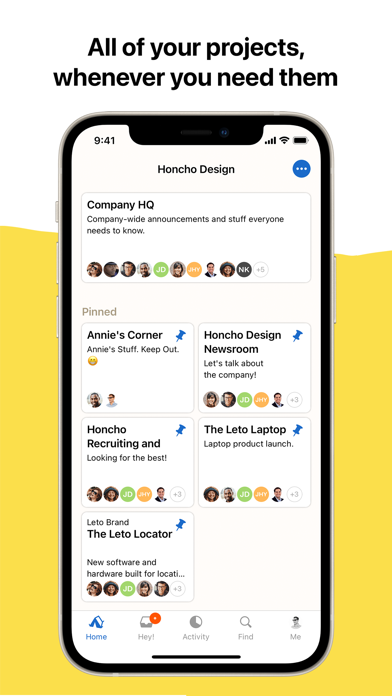
If you are choosing between a private note and a shared list, ask who needs to act. Keep personal reminders in the place you use for your own life. Put joint work in the shared space where collaborators expect to find it. Do not move sensitive personal details into a team list just because it is convenient.
Try a five-minute reset
Set a gentle limit of five minutes. Do not spend the time reorganizing old folders. Capture new loose ends in one place. Scan tomorrow’s calendar or commitments only if that is already part of your routine. Mark anything that truly cannot wait. Pick the first action for tomorrow and stop.
Make that action small enough to start before you feel ready. “Work on presentation” is broad. “Open the deck and list the three slides that need updates” gives you a first move. “Get ready for school” is broad. “Put the permission form on the counter” is visible. The step should be clear even if your energy is low.
If you keep reopening the list to make it perfect, close it after choosing the first action. The reset is complete when tomorrow has one place for loose ends and one clear starting point. It is not complete only when every task is scheduled.
Adjust the routine to your evening
Some evenings are busy. Use the short version: capture the thought, choose a first move, and leave the rest. Other evenings may allow a longer review, but keep a stopping point. You can also skip the routine when it adds stress. A tool should support your day, not make you feel behind before the day begins.
Try the reset for three evenings, then notice what helped. Did you remember more, or did the list grow without guiding action? Was a private note enough, or did a shared task need an owner? Keep the step that reduced friction and remove the one that added work.
Before you close the list
- Capture loose tasks in one place.
- Keep personal notes separate from work other people need to see.
- Choose one small action to begin tomorrow.
Tonight, write that action and leave the rest of the evening free.