

01 · Definition
What is gentle nudges?
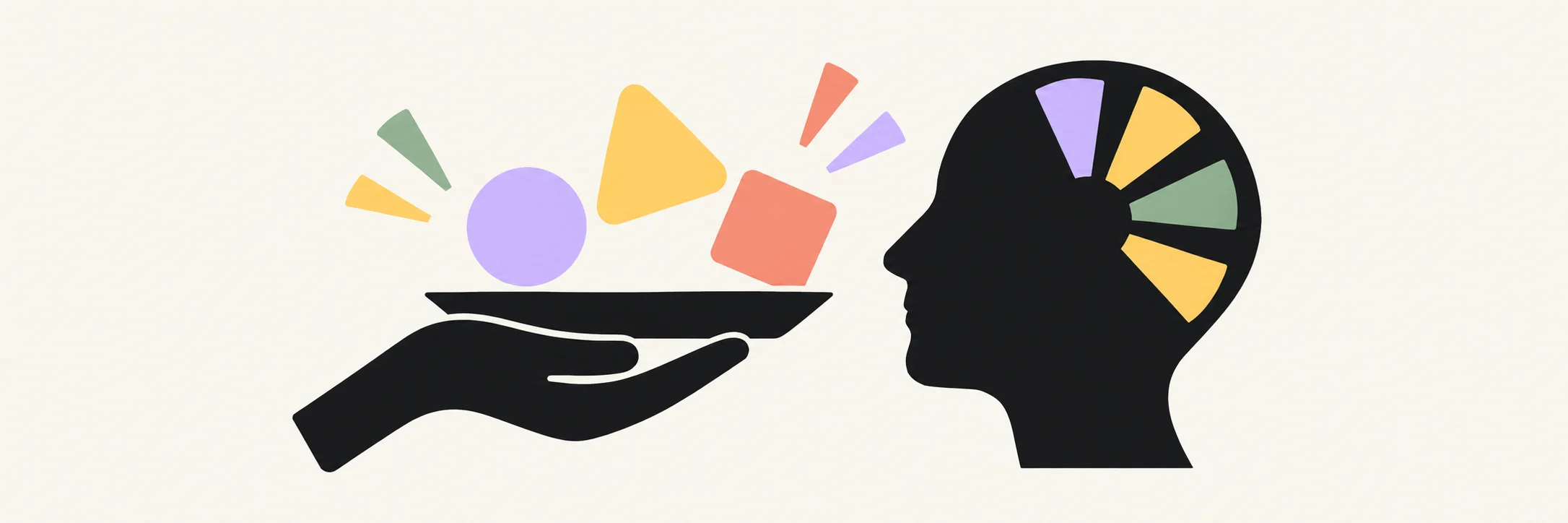
A nudge is a cue intended to make an action easier to notice or choose. In this directory, gentle nudges means reminders that support a person’s own intention with control over timing and frequency. A reminder is useful when it arrives where an action is possible.
A soft visual style does not guarantee a low-pressure experience. Repeated dismissals may signal the wrong timing or an unrealistic task.
02 · Research and evidence
What does research say about gentle nudges?
These sources address different parts of the topic. The study design and population matter when deciding what a finding can tell you about everyday support.
Metacognition guides intention offloading and fulfillment of real-world plans
2024 · Observational study · 112 participants
Findings: Participants reported upcoming intentions and their subsequent completion. Reminder setting was associated with confidence, importance and fulfillment of plans.
Limitations: This was not a randomized ADHD intervention trial. An association does not establish that any specific reminder system causes better everyday outcomes.
Read the research source →The when and how of planning: implementation intentions in 642 tests
2024 · Meta-analysis · multiple populations and outcomes
Findings: The review examines plans that connect a situation to a response, including if-then plans. It finds benefits across a range of outcomes.
Limitations: The studies cover varied populations and goals. They do not validate a particular consumer app or isolate every method described in this directory.
Read the research source →03 · Example explanation
Video: how a nudge influences a choice
Richard Thaler - Nudge: An Overview
By University of Chicago / Richard Thaler
Richard Thaler explains how small features of an environment influence a choice. This introduces the broader idea of a nudge; our guide applies it to reminders that you choose and can dismiss.
Watch on YouTubeThe video introduces the speaker’s co-authored book Nudge.
04 · Practical guide
How to use gentle nudges
1. Choose a missed action
Identify one thing you want a reminder to help you remember.
Example: You want to bring a document to an appointment.
2. Set the reminder before action is possible
Place the cue where you can respond with the necessary materials.
Example: A reminder the evening before says “put the document in your bag.”
3. Review repeated dismissals
Change the cue, timing or task if the reminder keeps being ignored.
Example: Move the prompt from the commute to the time you pack the bag.
These examples are illustrative. Adjust the steps and timings to your situation.
When to adjust the approach
A soft visual style does not guarantee a low-pressure experience. Repeated dismissals may signal the wrong timing or an unrealistic task.
Evaluate one situation at a time. If the change adds more effort than it removes, simplify it or ask what is still making the task difficult.
Other support to consider
You can explore related approaches without adopting a whole new system. working memory time blindness habit stacking each address a different part of the problem. Choose the support that matches the difficulty you noticed.
05 · Choosing a tool
What to look for in a gentle nudges tool
- User-controlled frequency, tone and quiet hours
- Actionable text and accessible notification formats
- Easy snooze, completion and deletion
Start with what you already have. A tool earns its place when it makes your chosen approach easier to use.