

01 · Definition
What is time blindness?
Time blindness is an informal term for difficulty judging how much time has passed, estimating how long an activity will take, or keeping a future commitment in view. It can mean being surprised by a deadline as well as losing track of time during an absorbing activity.
Researchers usually study more specific abilities: estimating an interval, reproducing a duration, or telling two durations apart. Those laboratory tasks are related to the everyday experience, but they do not measure every part of planning a day. Cleveland Clinic explains the everyday term and notes that it is not a standalone diagnosis. Difficulty with time is not unique to ADHD and varies between people.
02 · Research and evidence
What does research say about ADHD and time perception?
Research supports a connection between ADHD and differences in timing. It is less specific about which everyday reminder, planner or timer will help an individual person. These studies address different parts of that question.
Time-perception deficits in ADHD: a systematic review and meta-analysis
2024 · Systematic review and meta-analysis · across the lifespan
Findings: Metcalfe, McFeaters and Voyer combined 824 effect sizes and found an average difference in time-perception performance between ADHD and comparison groups. Age and working memory moderated the overall findings.
Limitations: Effect sizes are results, not a count of participants. A group average does not describe every person with ADHD, and this review does not test whether a particular app improves daily time management.
Read the research source →Time perception in adult ADHD: findings from a decade
2023 · Review · adult ADHD research
Findings: Mette’s review distinguishes time estimation, reproduction, production and duration discrimination. It examines adult studies rather than treating “time blindness” as one uniform ability.
Limitations: The review highlights different tasks and research methods. Its findings do not establish one explanation for every experience of lateness, hyperfocus or difficulty planning.
Read the research source →03 · Example explanation
Video: ADHD time blindness explained
How to be SO GOOD at Managing your Time it feels Illegal (with ADHD)
By Sasha Hamdani MD
A discussion of time blindness, visible time cues and reminders for moving on. Start with one idea you can try.
Watch on YouTube04 · Practical guide
How to manage time blindness in daily life
1. Estimate one task’s duration
Choose a familiar task. Before starting, write down how long you expect the whole task to take.
Example: For breakfast, you estimate 10 minutes to prepare food, eat and clear up.
2. Measure the actual time
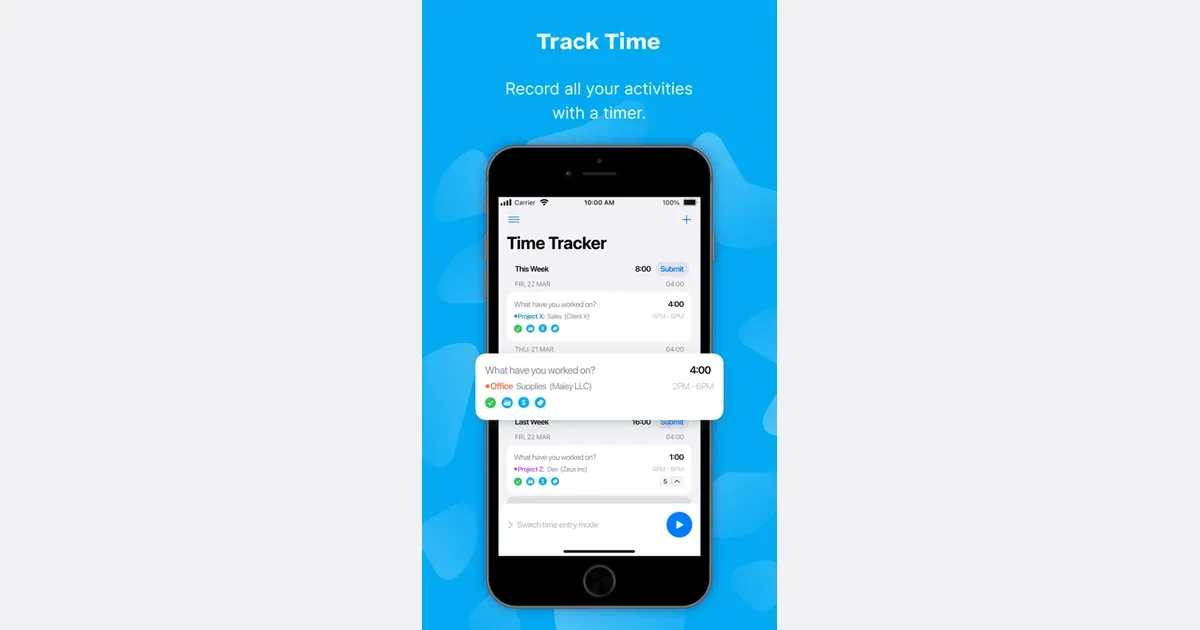
Time the same task from start to finish, including preparation and cleanup. Compare it with your estimate.
Example: Breakfast takes 18 minutes, which is 8 minutes longer than you expected.
3. Adjust your next plan
Use the observed duration to make your next estimate. Leave separate time for whatever needs to happen before your next commitment.
Example: Next time, allow about 20 minutes for breakfast, plus time to get ready and leave. Adjust after observing a few more mornings.
These examples are illustrative. Adjust the steps and timings to your situation.
Identify which part of time management is difficult
Losing track of time while absorbed in something, underestimating its duration and moving on at the right moment are related but different problems. A countdown might help you notice a work interval. A visible day plan might help you see what comes after it. Neither automatically gets your bag packed.
Choose the situation that is causing trouble today. You do not need a complete time-management system before trying one cue.
Use visible clocks and actionable time reminders
Put a clock or timer where you will actually look. Decide what its signal means before you begin: “save the document and stand up” is more specific than “stop soon.” If phone notifications pull you into other apps, try a physical timer or a device you already use for work.
Cleveland Clinic describes reminders in the physical environment as one way to bring attention back to the present. See its explanation of time blindness. The term is not a standalone diagnosis, and this experience is not unique to ADHD.
Plan preparation, travel and transition time
An appointment is more than the minutes you spend in the meeting. You may need to finish something else, find what you need, travel or join a call. Plan those steps explicitly when they matter.
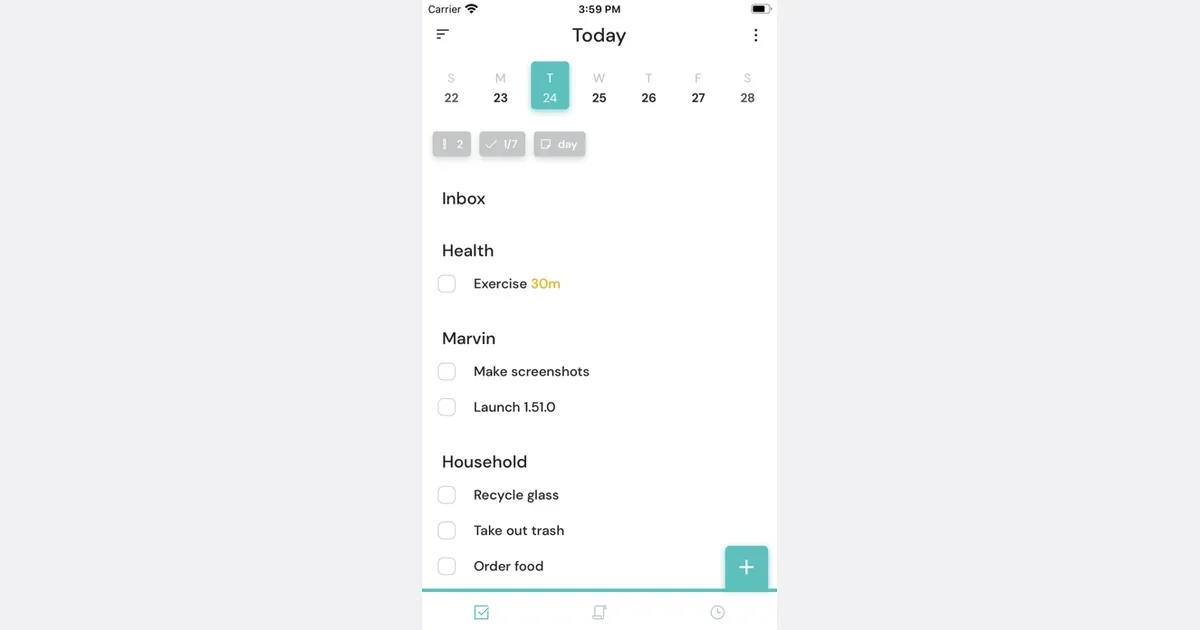
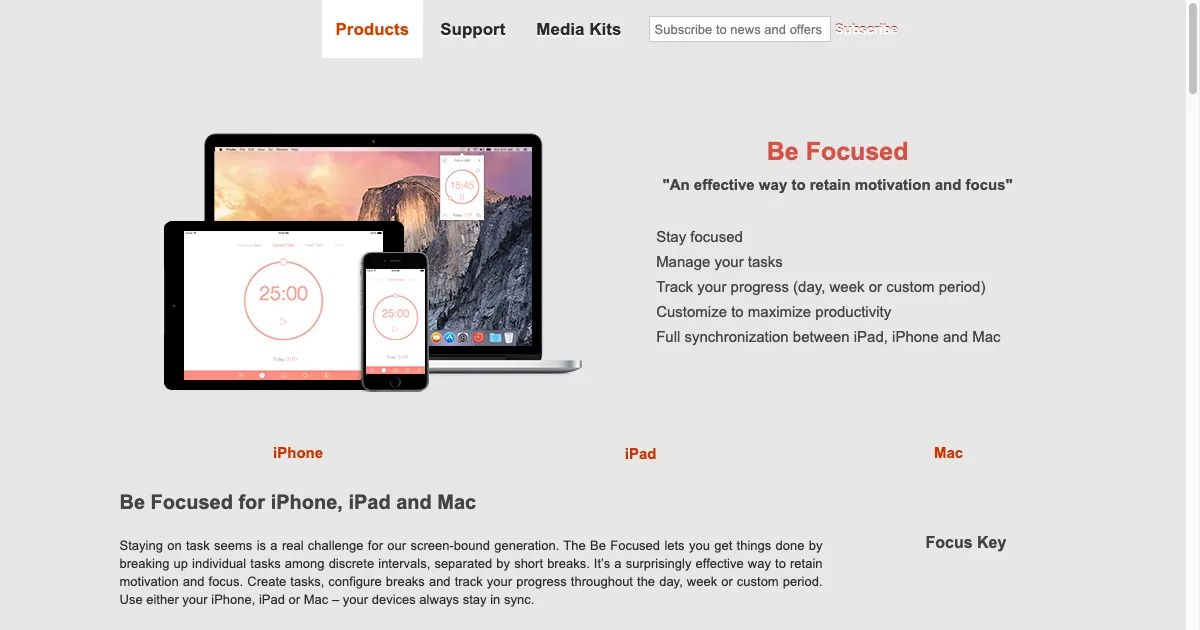
For a visible example, build a flexible schedule. For a single work session, try focus and break intervals. A day plan and a timer do different jobs; you can use either without adopting both.
Adjust reminders when alerts stop helping
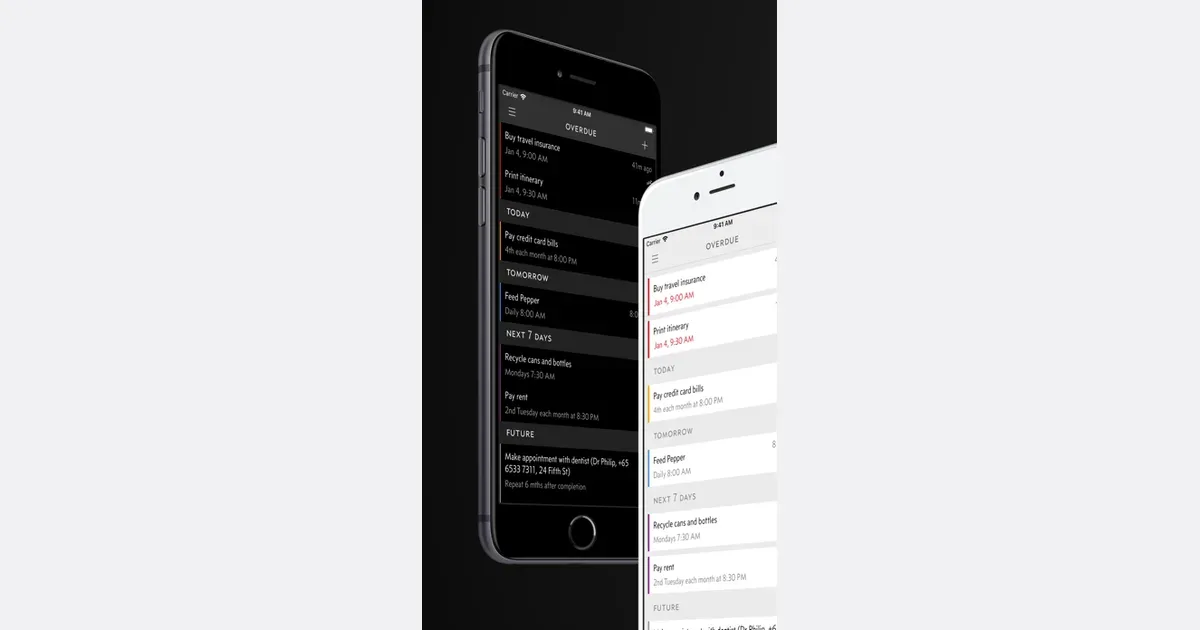
If every reminder gets dismissed, adding more may create more noise. Keep the cues linked to actions you can take, reduce duplicates and check whether you can hear or see the signal in that setting.
An interrupted day does not make your observations useless. Record what changed and adjust your next estimate. If difficulties with time are repeatedly affecting daily life, a healthcare professional can help you consider the wider picture.
05 · Choosing a tool
What to look for in a tool for time blindness
- A time display you can notice without opening another app.
- Separate cues for starting, wrapping up and leaving, where needed.
- Control over notification volume and frequency.
- A simple way to compare expected and actual duration.
Start with what you already have. A tool earns its place when it makes your chosen approach easier to use.