
01 · Definition
What is procrastination loops?
Procrastination involves delaying an intended action despite expecting the delay to cause problems. A loop can form when avoiding a difficult task brings short-term relief, while the unfinished task creates more pressure later. Deliberate rest or a sensible change of priority is different.
The emotional explanation is useful but not exhaustive. Missing information, unrealistic workloads and lack of resources can also block action.
02 · Research and evidence
What does research say about procrastination loops?
These sources address different parts of the topic. The study design and population matter when deciding what a finding can tell you about everyday support.
Why you procrastinate even when it feels bad
2022 · TED-Ed educational explanation · Fuschia Sirois
Findings: This researcher-informed explanation describes the role of difficult feelings and short-term relief in procrastination.
Limitations: This is an educational article and animation, not a new intervention trial. Avoidance can also reflect missing resources, uncertainty or an unrealistic workload.
Read the research source →Adult ADHD: evidence base, uncertainties and controversies
2025 · Clinical evidence review · adults
Findings: This review discusses attention, executive functioning and the varied presentation of adult ADHD. It provides a wider clinical context for difficulties with planning, remembering and directing action.
Limitations: A clinical review does not establish this directory tag as a separate diagnosis or test the practical steps or products on this page.
Read the research source →03 · Example explanation
Video: procrastination loops explained
Why you procrastinate even when it feels bad
By TED-Ed / Fuschia Sirois
An animated explanation of avoidance and short-term emotional relief. Useful context for the practical steps below, rather than a diagnosis.
Watch on YouTubeProduced in collaboration with Character Lab, as disclosed by TED-Ed.
04 · Practical guide
How to manage procrastination loops
1. Name what feels difficult
Describe the uncertainty or discomfort instead of labelling yourself lazy.
Example: You are avoiding an email because you do not know how to decline the request.
2. Reduce the next action
Choose an action small enough to try without completing the whole task.
Example: Write one sentence saying you are unavailable, without sending it yet.
3. Make a return plan
Choose when and where to revisit the action, then review the barrier if it remains.
Example: After lunch, reread the sentence and decide whether it is ready to send.
These examples are illustrative. Adjust the steps and timings to your situation.
When to adjust the approach
The emotional explanation is useful but not exhaustive. Missing information, unrealistic workloads and lack of resources can also block action.
Evaluate one situation at a time. If the change adds more effort than it removes, simplify it or ask what is still making the task difficult.
Other support to consider
You can explore related approaches without adopting a whole new system. task initiation micro tasking temptation bundling each address a different part of the problem. Choose the support that matches the difficulty you noticed.
05 · Choosing a tool
What to look for in a procrastination loops tool
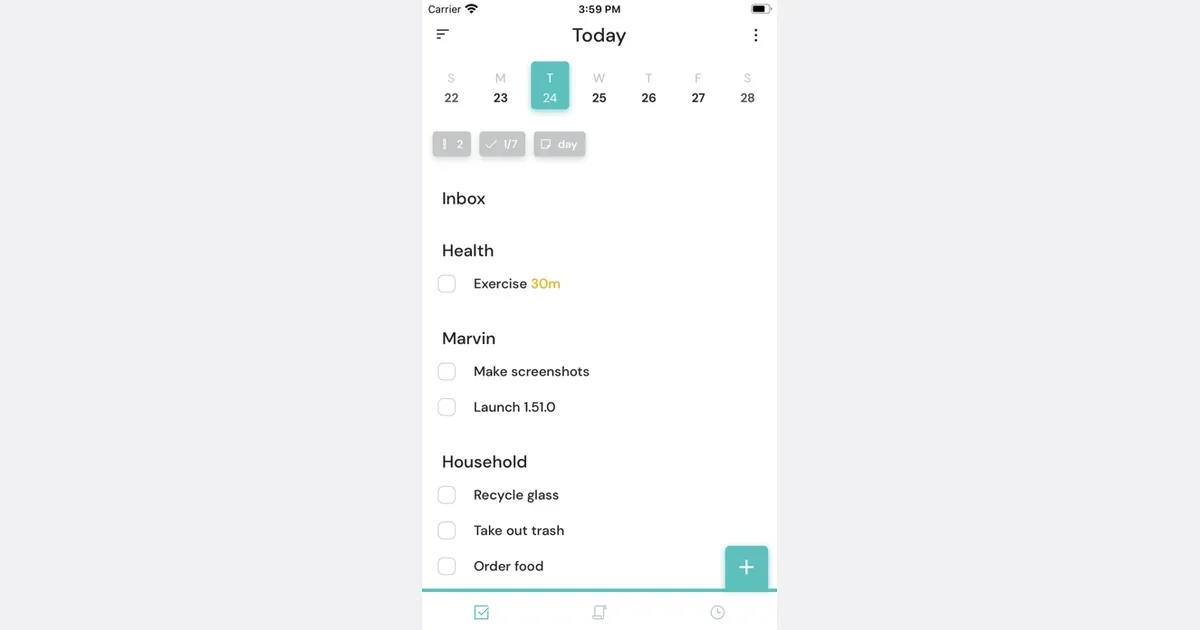
- Visible next actions and low-effort editing
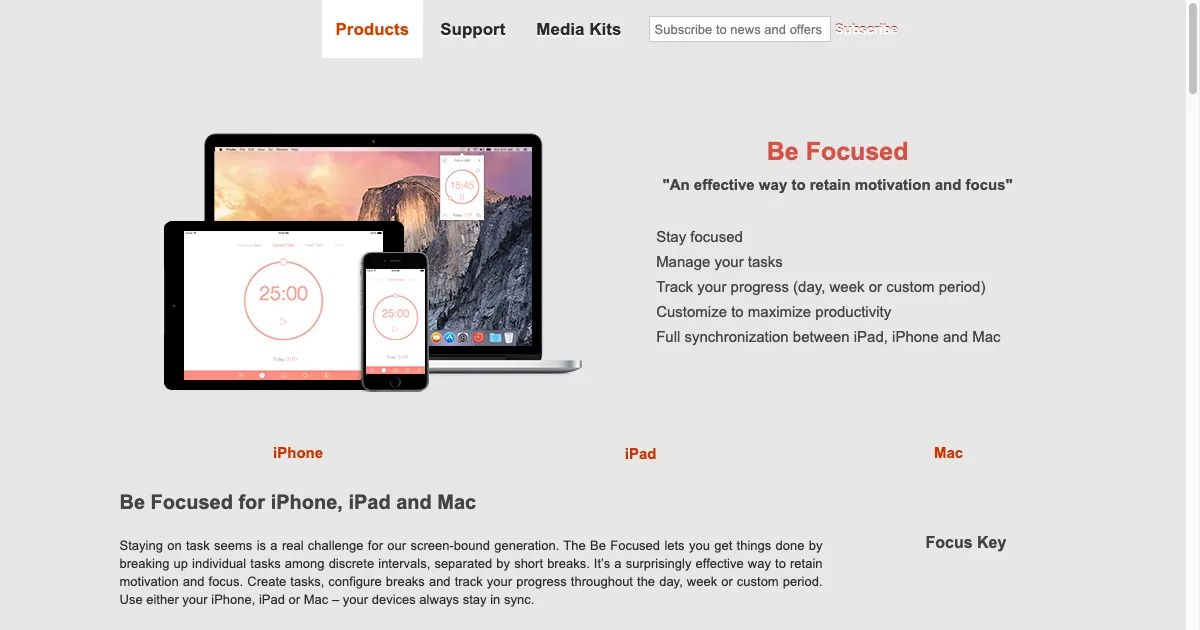
- Flexible focus intervals without punishment
- Support for notes about barriers, not only due dates
Start with what you already have. A tool earns its place when it makes your chosen approach easier to use.