

01 · Definition
What is gamification?
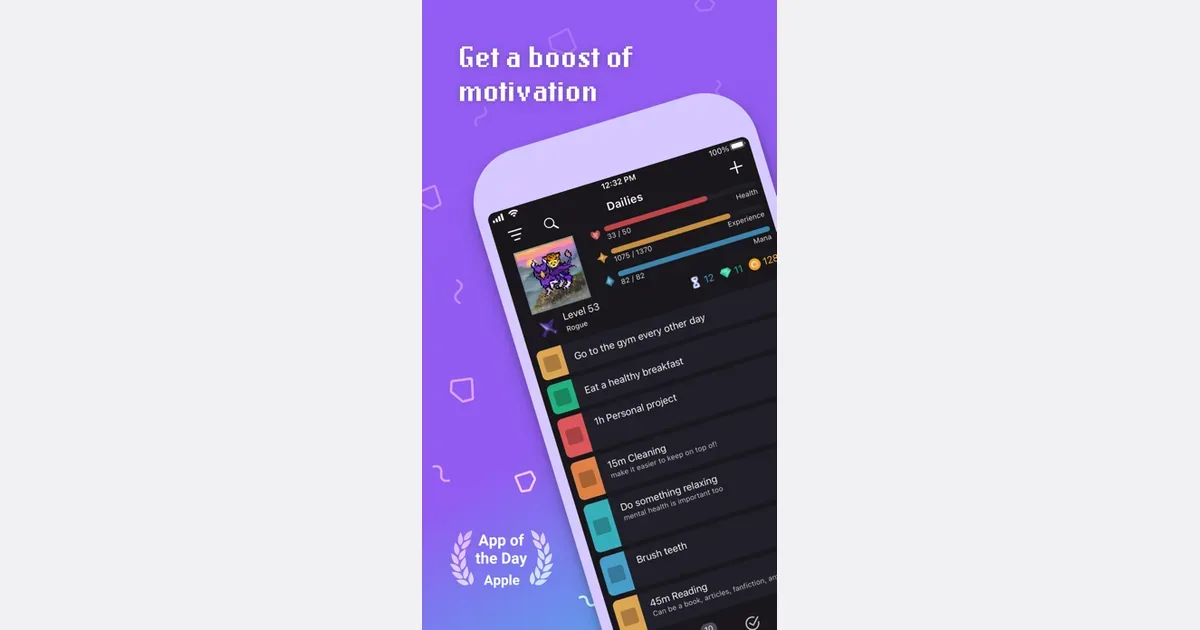
Gamification means adding game elements such as points, progress, quests or rewards to an activity that is not itself a game. A helpful version makes a chosen action easier to approach or understand. More time spent using the game system is not automatically progress on the real task.
Distinguish clinical game-based interventions from points in a consumer to-do app. Evidence for one does not transfer to the other.
02 · Research and evidence
What does research say about gamification?
These sources address different parts of the topic. The study design and population matter when deciding what a finding can tell you about everyday support.
Gamified digital mental-health interventions for pediatric conditions
2024 · Systematic review and meta-analysis · pediatric trials
Findings: The review examines randomized trials of gamified digital interventions and reports benefits for some symptom outcomes.
Limitations: Child-focused clinical interventions differ from points, streaks and rewards in adult consumer tools. Those findings do not establish the effectiveness of a directory listing.
Read the research source →Adult ADHD: evidence base, uncertainties and controversies
2025 · Clinical evidence review · adults
Findings: This review discusses attention, executive functioning and the varied presentation of adult ADHD. It provides a wider clinical context for difficulties with planning, remembering and directing action.
Limitations: A clinical review does not establish this directory tag as a separate diagnosis or test the practical steps or products on this page.
Read the research source →03 · Example explanation
Video: gamification explained
Gamification to improve our world
By TEDx Talks / Yu-kai Chou
An introduction to using game-design principles outside games. It supplies design context, not evidence of ADHD treatment efficacy.
Watch on YouTubeYu-kai Chou works in gamification consulting and presents his framework. These commercial interests are separate from our listings.
04 · Practical guide
How to use gamification
1. Choose the real action
Define the behaviour you want the game element to support.
Example: Put five books back on the shelf, rather than earn points for opening an app.
2. Add one simple game rule
Try a clear finish line or progress marker that does not require extensive setup.
Example: Move one token for each book returned, finishing after five tokens.
3. Check whether the game helps
Keep the rule only if it reduces effort or adds enjoyment.
Example: If scoring takes longer than tidying, remove the score and keep the small goal.
These examples are illustrative. Adjust the steps and timings to your situation.
When to adjust the approach
Distinguish clinical game-based interventions from points in a consumer to-do app. Evidence for one does not transfer to the other.
Evaluate one situation at a time. If the change adds more effort than it removes, simplify it or ask what is still making the task difficult.
Other support to consider
You can explore related approaches without adopting a whole new system. dopamine scaffolding micro tasking habit stacking each address a different part of the problem. Choose the support that matches the difficulty you noticed.
05 · Choosing a tool
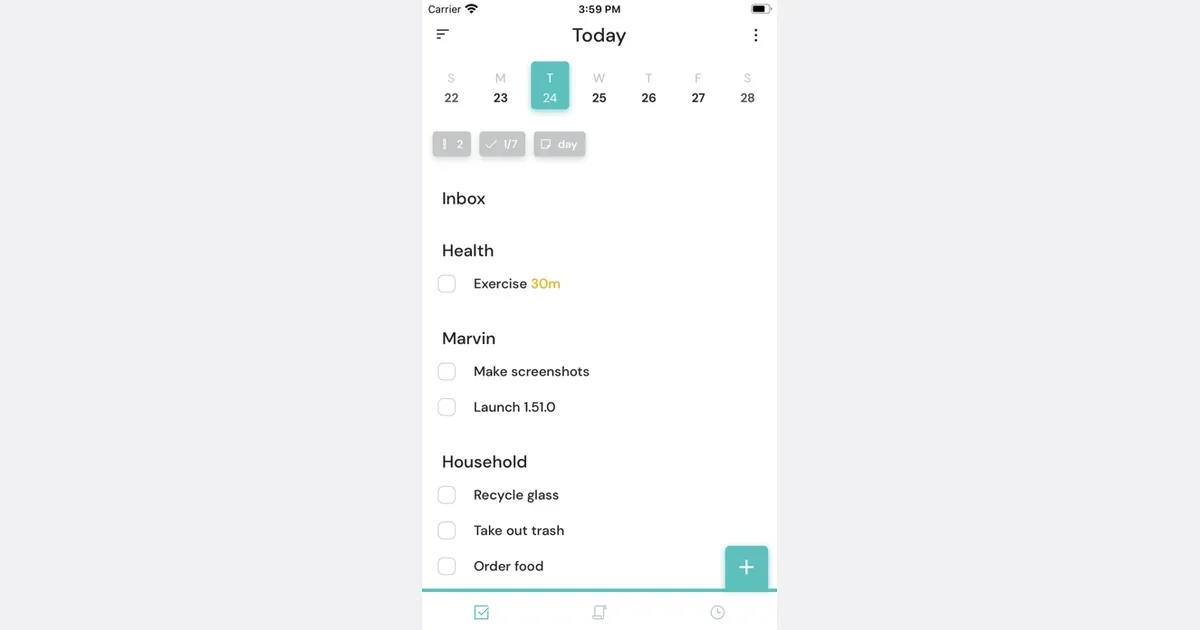
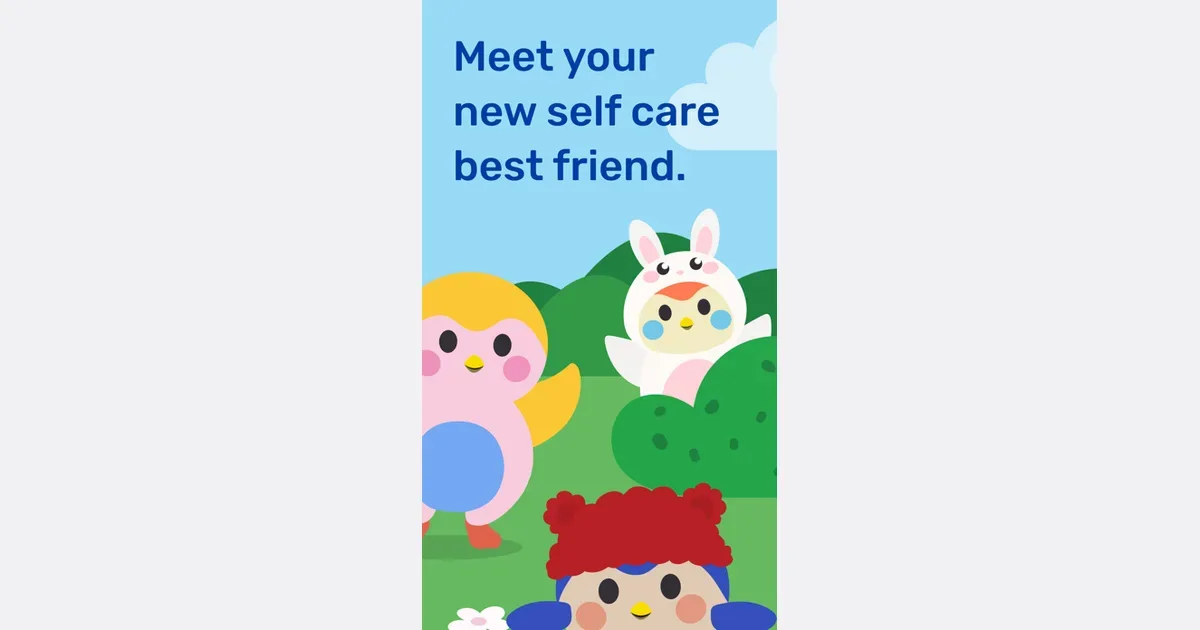
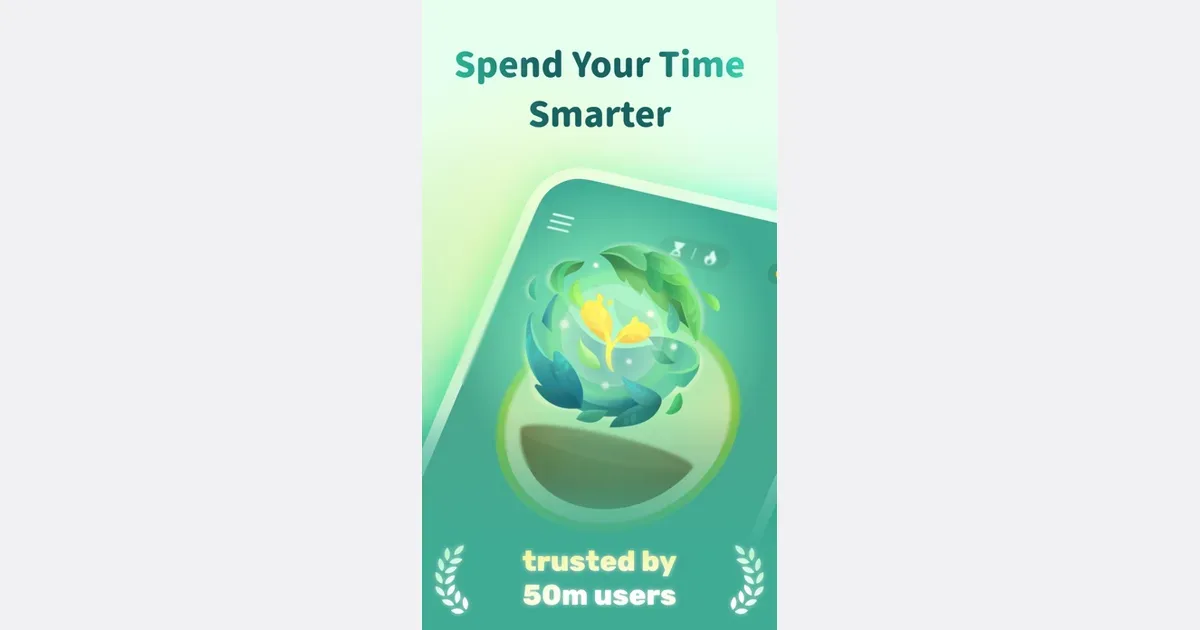
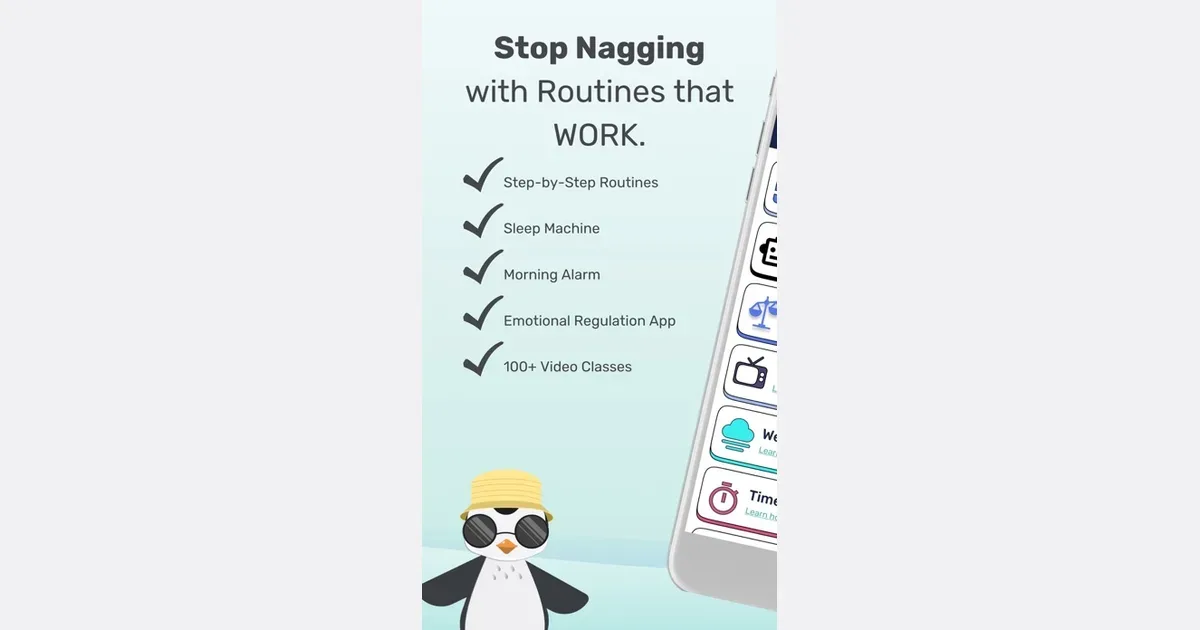
What to look for in a gamification tool
- Optional rewards and animation
- No punitive streak loss or escalating pressure
- Clear real-world task completion and accessible controls
Start with what you already have. A tool earns its place when it makes your chosen approach easier to use.