Browse apps

    Discover tools built for ADHD, neurodivergence, and focused work.

    Not sure where to start? Find tools with a short quiz.

    Selected filters

    Showing 10 results on this page for your choices.
    Sort
    Results per page
    Plexii logo

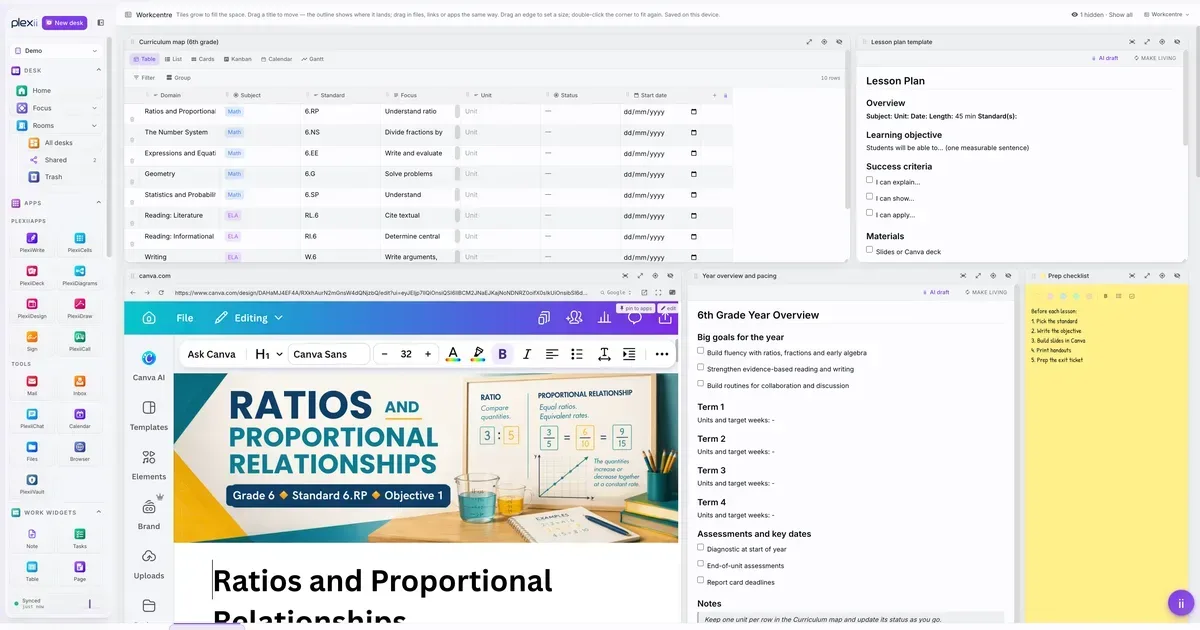
    A desktop workspace that keeps your documents, tasks, notes, research and AI side by side, so everything for a project lives in one place.

    Create documents, spreadsheets and presentations. Bring in the apps you already use. Arrange tasks, notes, research and AI beside the work they relate to. Work independently or collaborate with your team, with local-first storage and AI that understands your project's context. Download Plexii for Windows and Mac at plexiidesk.com.

    Helps with

    AppleWindows
    Free and Paid Plans
    View
    TextDrop: Snippet Keyboard logo

    TextDrop is a privacy-first snippet keyboard. Save addresses, replies and links, then insert them in one tap in any app — 100% offline, with no Full Access.

    TextDrop is a phrase board and custom keyboard for iPhone and iPad. Save the addresses, email replies, meeting links and other lines you type over and over, then insert them with one tap in apps such as Messages, WhatsApp, Mail or Safari. If working memory is unreliable, a snippet library means you do not have to hold those details in your head or hunt through old chats. Pin important cards, organize them with categories, and use templates for common items such as a home address or meeting availability. Dynamic variables can fill in the date, time or year when you insert a snippet. TextDrop is built to stay on your device. The keyboard does not request Full Access, the app has no internet permission, and snippets stay in a private on-device App Group. The free plan includes up to 25 snippets and a set of categories; TextDrop Pro is a one-time purchase for unlimited snippets and custom categories, with no subscription and no ads.

    Helps with

    Apple
    Free; USD 3.99 once
    View
    Lithic UK logo

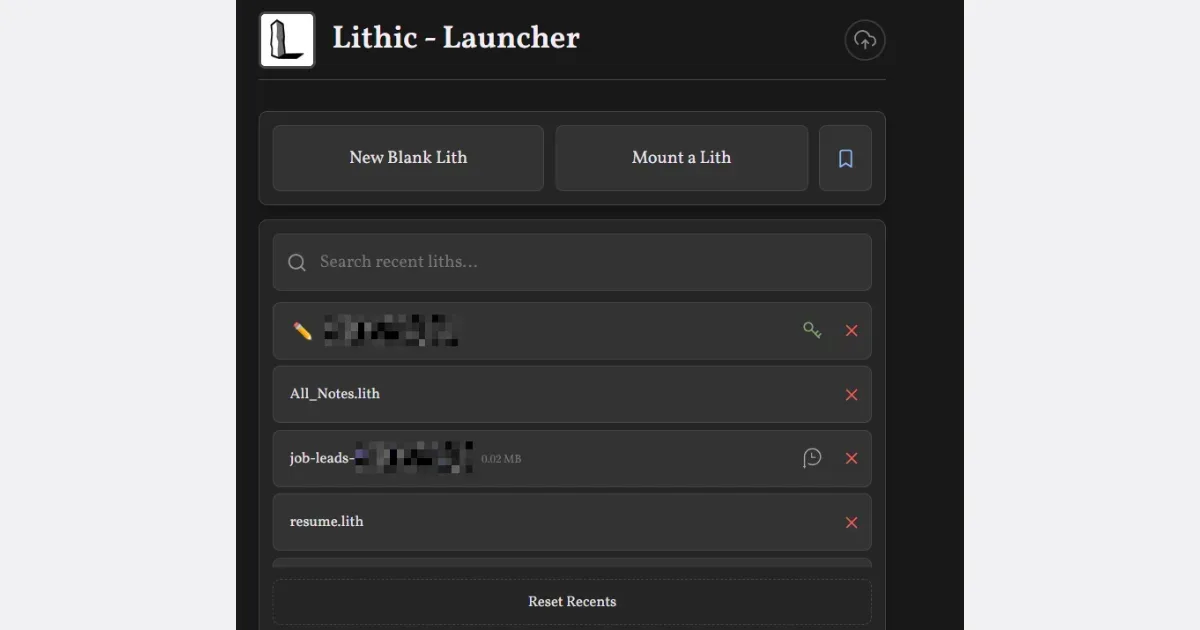
    A zero-friction notes and productivity app

    Helps with

    BrowserMobileWindows
    Free
    View
    Amplenote logo

    Notes and tasks combined with Eisenhower matrix prioritization

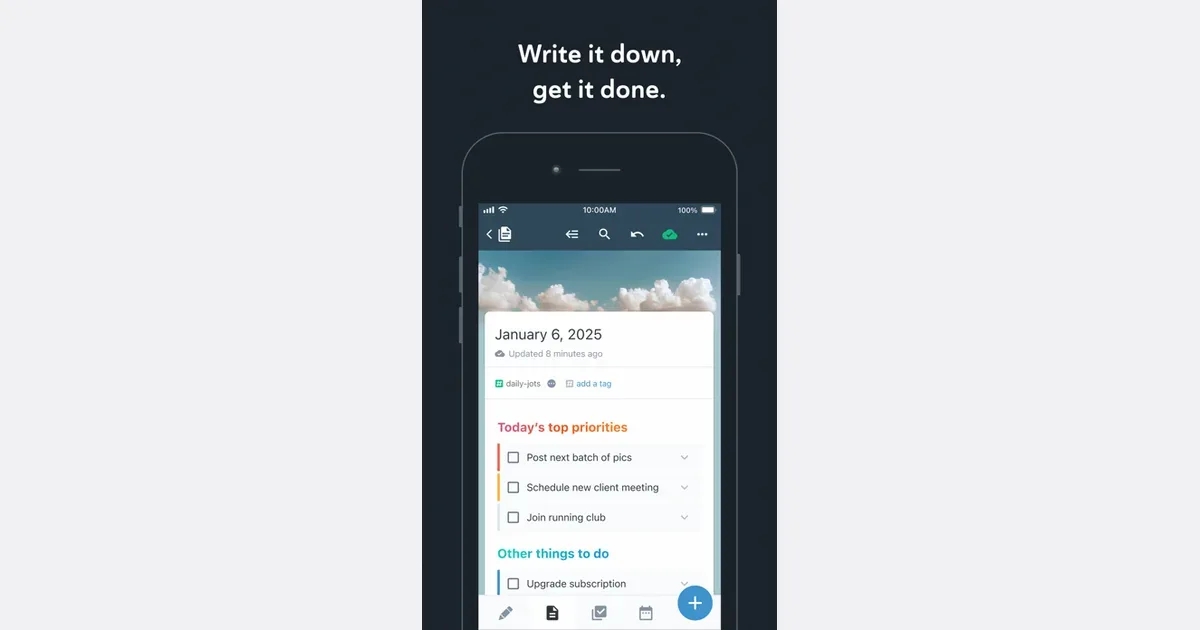
    Amplenote brings notes, tasks and calendar planning into one workspace. It is intended for people whose actions emerge from meeting notes, research, daily thoughts or project ideas, and who would prefer to keep the supporting context beside the work. Its capture, review and planning tools offer a path from a quick thought to a scheduled next step. You can begin by collecting short entries in Jots, then move useful material into longer notes. Tasks can live inside those notes rather than being copied into a separate task manager. Tags, links and search help you find related information again, while the Tasks and Calendar areas provide a more focused view of what needs doing. For example, a meeting note can hold the discussion and its follow-up actions, with selected actions brought into your plan for the week. The current product also includes dashboards for goals and completed work, optional mood tracking, and AI assistance through Ample Agent Pro. These additions extend the core notes-to-action workflow with help organizing material, refining text and identifying possible next actions. Availability depends on the chosen plan and feature, so check the current offering before building a workflow around an advanced capability. Web, desktop and mobile access support capturing and reviewing in different settings. Amplenote may fit someone who loses track of tasks when they become separated from the notes that explain them. The tradeoff is learning how notes, tags, tasks and calendar planning relate to one another. A small project is a better first experiment than importing every archive and designing a complete life system at once. Keep the capture route simple, reserve a regular review time, and assess whether the combined workspace reduces the number of places you need to check.

    Helps with

    BrowserAppleMobile
    Free; $5.84–20/month (billed annually)
    View
    Bear logo

    Minimalist markdown notes with focus on simplicity

    Bear is a Markdown note-taking app for Apple's devices. It combines a writing-focused editor with tags for organizing notes, making it possible to start with a simple text collection and add structure as it becomes useful. The main appeal is keeping capture and writing close together without first designing a database or elaborate workspace. A practical setup might use a few broad tags for work notes, personal reference and writing ideas. A meeting note can contain the discussion, a short list of decisions and links or attachments you want to revisit. Clear titles and a small set of useful tags are often easier to maintain than a different organizational rule for every kind of note. Bear supports headings and folding for navigating longer writing, along with images, attachments and sketches. Its paid Pro offering adds capabilities such as supported OCR search, with current availability described in the feature comparison. If synchronization or a particular export format is central to your workflow, check the current plan details before moving a large collection into it. Bear may suit people who value a relatively direct writing environment and already work within compatible Apple devices. The trade-off is that a flexible note collection still needs some retrieval habits. Capturing an idea is only useful if you can find it when needed, and a large tag hierarchy can become as cumbersome as a large folder tree. Start with the notes you use frequently, pin or organize the important starting points and add complexity only when a real search or writing problem calls for it.

    Helps with

    AppleBrowser
    Free; USD 2.99/month or USD 29.99/year
    View
    Capacities logo

    Object-based notes that organize naturally for ADHD brains

    Capacities is a personal knowledge app that organizes notes around the things you think about: people, books, projects, meetings and ideas. Each item is an object with its own content and properties, connected to other objects through links. A daily note gives you somewhere to capture thoughts before deciding how much structure they need. For example, you could write meeting notes in your daily workspace, link the people involved, and connect the meeting to a project. The person's page then becomes a way back to related conversations, while the project brings together its supporting material. Backlinks and network views help you follow those relationships without maintaining a separate folder path for every note. Tags can cut across object types when several topics belong together. Custom object types let you decide which details matter. A book might have an author and reading status; a project might have dates, links and a completion status. Templates provide a repeatable starting point, and table, list, gallery and card views offer different ways to browse the same material. Capacities Pro also includes contextual task management, with tasks linked to objects and collected into an inbox, Today and scheduled views. Capacities may suit researchers, students and independent professionals who want connected reference material with a visual structure. Desktop, web and mobile apps support access across devices, although it is worth trying your actual capture and editing routine on each device. Start with a few useful object types and one real project: designing an elaborate taxonomy can create more decisions than it removes. If your main need is a short reminder list, test whether the knowledge-management layer adds enough value for you.

    Helps with

    BrowserAppleWindows
    Free and Paid Plans
    View
    Craft logo

    Beautiful structured documents and notes for Apple users

    Craft is a notes and document workspace that combines writing, organization and tasks. It is designed to let a quick captured idea grow into a more structured document, with supporting material and actions nearby. This can be useful when a note is part of ongoing work rather than a piece of information you only need to store. For example, a project document could begin with a short brief, continue with research notes and include the next few tasks. Keeping those actions in the document preserves the reason for doing them, instead of separating a task title from all its context. A rough note captured on one device can be refined later into something suitable to share. Craft offers several organizational approaches, including spaces, folders and tags, as well as collections for more structured information. That range allows a workspace to grow, but it also makes it important to choose a consistent starting structure. Its sharing and publishing-oriented presentation may appeal to people who want notes to become readable documents rather than remain a private scratchpad. Check current platform and plan support for the particular collaboration or publishing workflow you need. Craft may fit people who appreciate visual organization and want a closer relationship between writing and doing. The trade-off is the temptation to spend more time arranging a document than developing the ideas inside it. Start with one real project or reference collection and keep the hierarchy shallow. A document-first approach works best when the structure makes the next step easier to understand, while a dedicated task system may still suit work that needs extensive assignment, reporting or dependency management.

    Helps with

    AppleWindows
    Free and Paid Plans
    View
    Dynalist logo

    Power outliner with dates, tags, and Markdown support

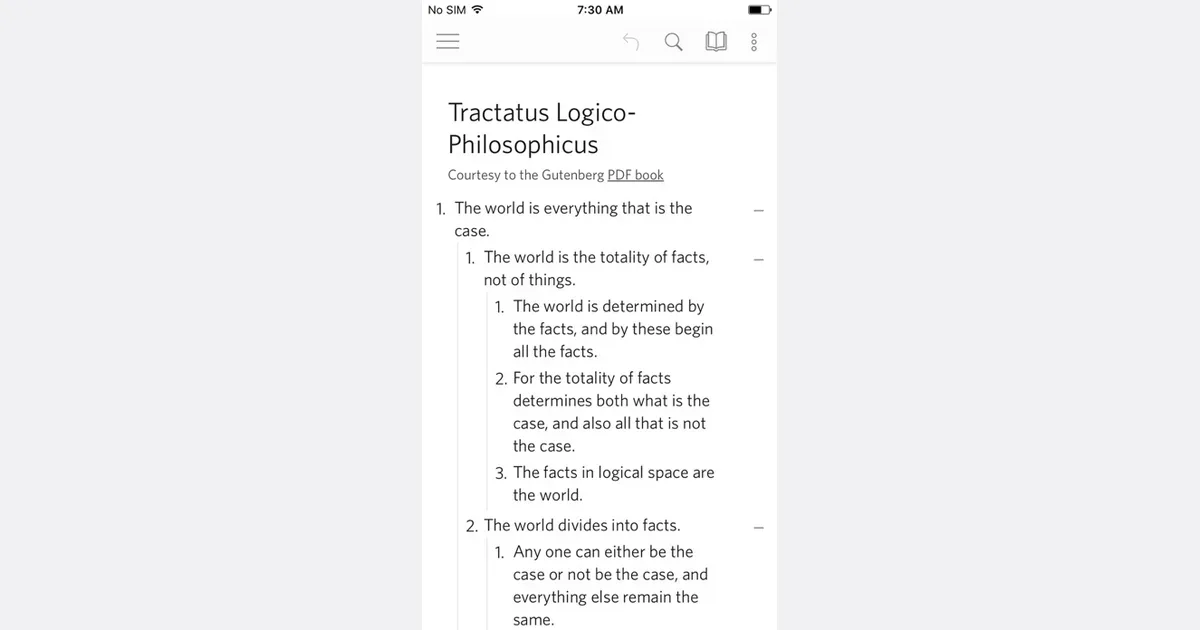
    Dynalist is an outlining app for organizing ideas and tasks as nested lists. A document can begin as a loose collection of thoughts and gradually become a project plan, meeting agenda, checklist or reference outline. Collapsing branches and zooming into an item let you concentrate on one part while keeping the larger structure nearby. For a practical starting point, create a capture list and add thoughts as short bullets. During a regular review, move related items under a project, break a larger action into smaller steps, and add notes beneath items that need context. Tags, search and bookmarks help you return to important material without expanding every branch. Cross-links connect related items when a strict hierarchy is not enough. Dynalist supports checklists, date-based organization and Markdown formatting, along with keyboard shortcuts for moving around and restructuring an outline. Some additional features, including recurring dates, calendar integration and automatic backups, depend on the paid plan. Lists can be shared, and export options such as OPML and plain text provide a way to keep a separate copy or move an outline elsewhere. Desktop and mobile downloads are available alongside the web app. Dynalist may appeal to people who find lists easier to maintain than a collection of separate documents and databases. Its established feature set is the main attraction; do not choose it on the expectation of rapid new development. Before adopting it, check current device compatibility, especially on newer Macs, and try exporting a sample outline with notes and links. If you need time-sensitive notifications, test that requirement directly rather than assuming that a date written in an outline behaves like a reminder in a dedicated task app.

    Helps with

    AppleWindowsMobile
    Free; $9.99/month or $95.88/year
    View
    Evernote logo

    Cloud-based notes with powerful search and organization

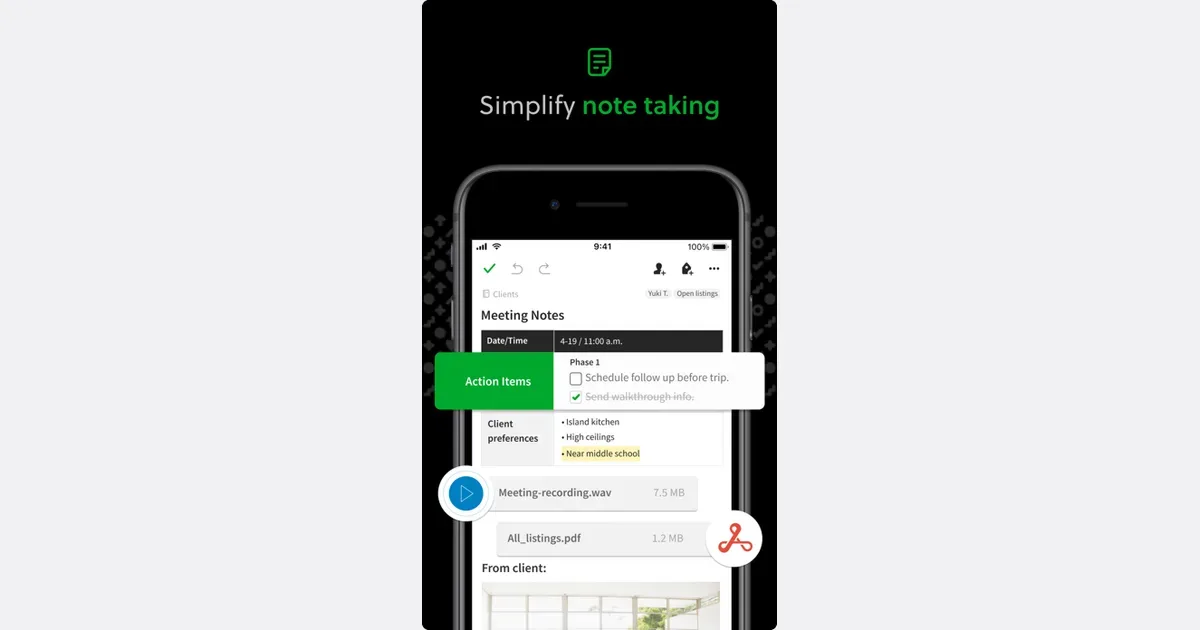
    Evernote is a note-taking and information-capture app for keeping written notes, saved web material and project context together. It is useful when the problem is remembering where something was stored: a receipt, an article, a meeting note or the instructions for a recurring task. Notebooks and tags provide organizational choices, while search helps retrieve material later. A practical workflow might begin with one notebook for an active project. Capture meeting decisions in a note, save relevant articles beside it and add a short explanation of why each item matters. The Web Clipper can save web pages, articles, PDFs or selected material, and it offers screenshot annotations. Giving a clipping a clear title and a useful tag makes it more helpful than simply collecting another unread page. Evernote's wider feature set brings tasks and calendar-related context into the same environment. Its search can look inside supported images and documents, which can be valuable for information that is awkward to file manually. Availability and limits vary with the current plan, so check the capabilities you need before relying on them for a large archive or team process. The trade-off is that easy capture can become an accumulation habit. Saving information is only one step; deciding what to keep and revisiting useful material is a separate routine. Start with a small number of notebooks and an occasional cleanup rather than a detailed filing scheme for every possible subject. Evernote may fit someone who wants a searchable personal reference collection, while a simpler notes app may be enough for short text and a dedicated project tool may be better for complex coordination.

    Helps with

    BrowserAppleMobile
    Free; from $99/year
    View
    Goblin Tools logo

    AI-powered tools designed for neurodivergent minds

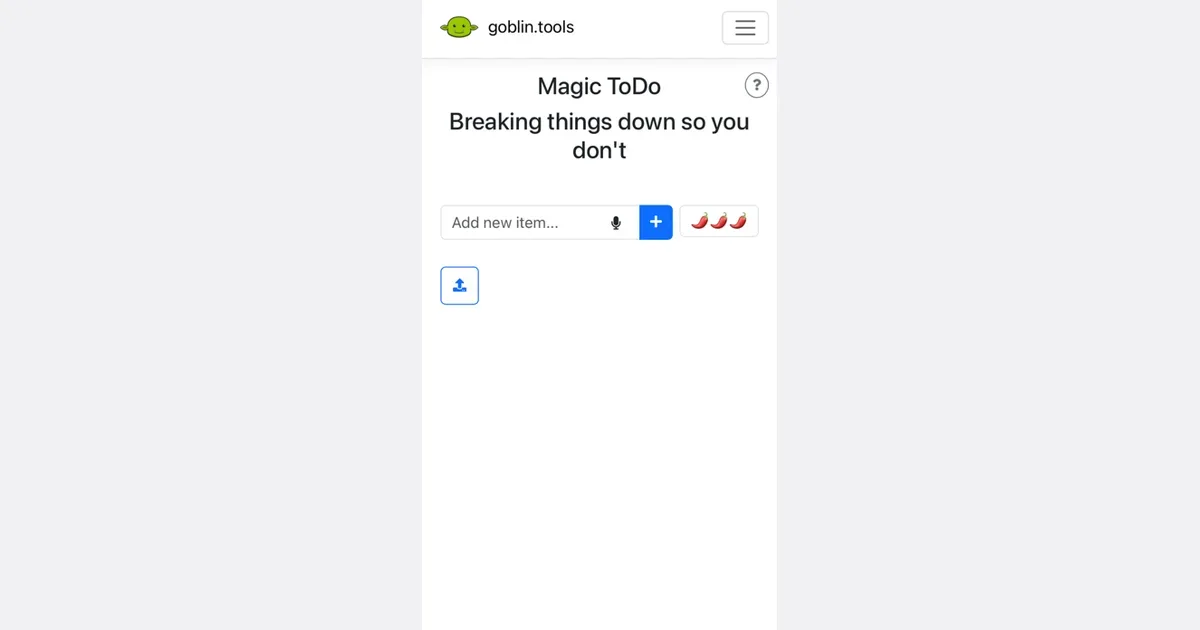
    Goblin Tools offers small AI helpers for everyday tasks that feel difficult to untangle. Its tools cover planning, writing, understanding messages and meal ideas, so you can use the part that helps with your immediate problem without designing an entire productivity system. The creator describes the collection as primarily intended for neurodivergent people, while keeping it available to anyone. Magic ToDo turns a task into suggested smaller steps. You can adjust the spiciness setting to request more detail, break down a subtask again, edit the result and check off completed items. For a practical starting point, enter one household job or work assignment, remove steps that do not apply, and choose a first action you can actually do. Export options let you move a breakdown into another tool, although task hierarchy and completion status can change between formats. The other helpers address different sticking points. Compiler turns a brain dump into actions; Estimator suggests a possible duration; Formalizer changes writing tone; and Judge offers an interpretation of a message. Professor, Consultant and Chef provide explanations, decision support and recipe ideas. These are generated suggestions to review, rather than reliable statements about another person’s intentions or guaranteed plans. The website keeps its existing core tools free, with paid mobile apps and an optional Pro subscription for some advanced features. Goblin Tools may be a useful starting aid when the planning itself feels overwhelming. You still need to check the output, adapt estimates to your circumstances and decide which actions are appropriate.

    Helps with

    BrowserAppleMobile
    Free and Paid Plans
    View