Browse apps

    Discover tools built for ADHD, neurodivergence, and focused work.

    Not sure where to start? Find tools with a short quiz.

    Selected filters

    Showing 10 results on this page for your choices.
    Sort
    Results per page
    Pause logo

    Strict app and website blocker for iPhone

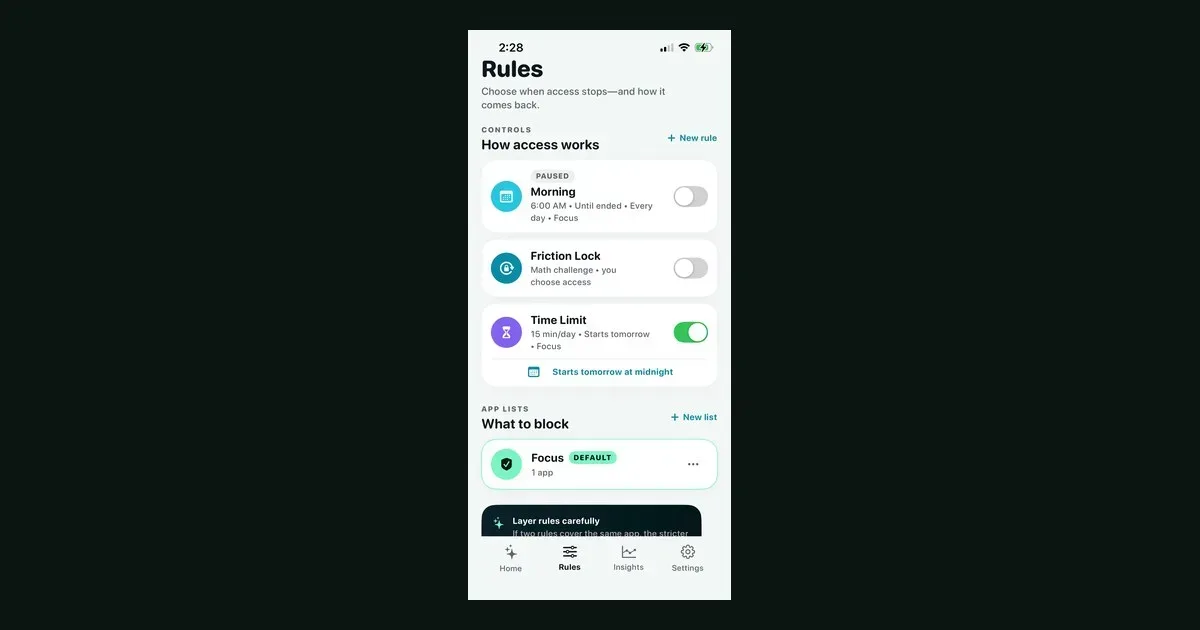
    Pause blocks the distracting apps and supported websites you choose in an App List. Set a session, schedule, daily time limit, or open limit to decide when those blocks apply. When you want to change course, Strict Mode can lock your session settings until it ends, and Friction Lock can put a challenge before access.

    Helps with

    BrowserAppleMobile
    Free and Paid Plans
    View
    Type Alarm logo

    Type Alarm is a wake-up alarm for heavy sleepers: silencing the banner is not enough — it returns until you type mixed-case phrases. Not a medical device.

    Type Alarm is a typing-first wake-up alarm for heavy sleepers on iPhone (iOS 26 or later). You can silence the banner like any alarm, but it comes back until you finish the typing challenges. There is no emergency exit and no ads. The design is aimed at sleep inertia: the first minutes after waking, when attention and finger control are weakest. A swipe is easy to do half-asleep; typing a longer mixed-case phrase requires reading, using Shift and finishing the line. If you leave without finishing, the alarm returns; while you type, re-arming pauses. You can practice the challenges at any time. This is a wake-up alarm, not a medical device, and it does not treat a sleep disorder or ADHD. AlarmKit can break through Silent mode and Focus on iOS 26 or later. The full app is free for three days after install; Type Alarm Pro then unlocks ongoing alarm use, while practice stays available.

    Helps with

    Apple
    USD 4.99/month or USD 29.99/year
    View
    Calm logo

    Meditation, sleep stories, and breathwork for anxious minds

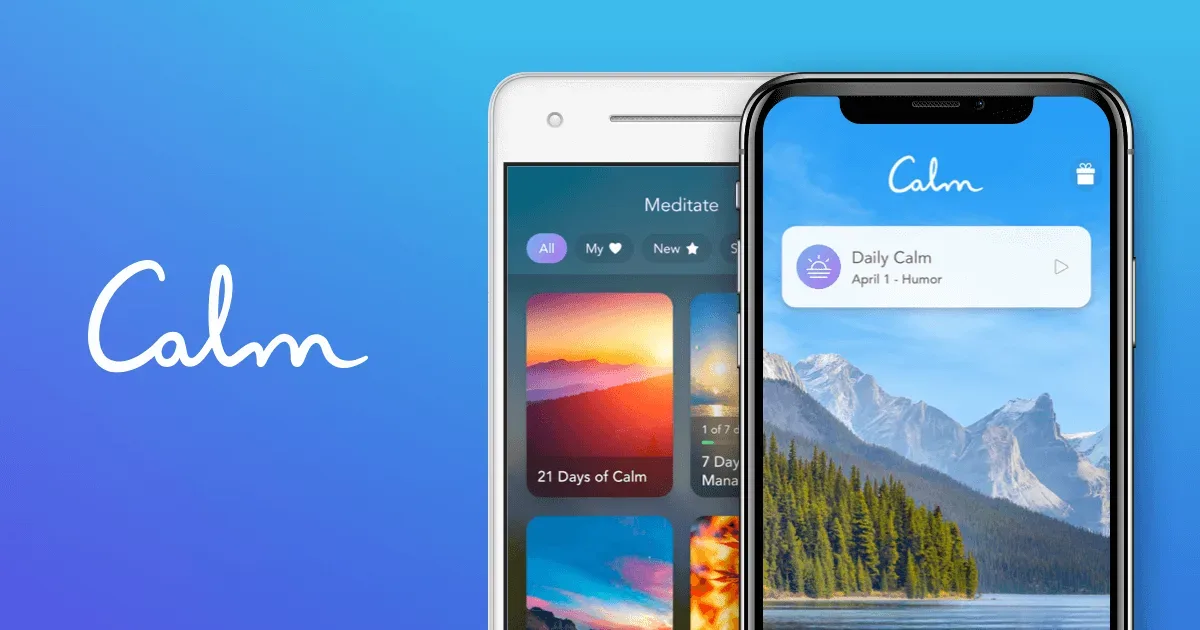
    Calm is a meditation and listening app with guided practices, sleep audio, music and simple mindfulness tools. It can provide a repeatable listening routine without requiring you to assemble a new playlist or choose a different teacher every day. The catalog includes introductory programs as well as content organized around particular interests and moments in the day. For someone learning meditation, a useful starting point is one short course rather than the entire library. Calm's beginner guidance points to programs such as 7 Days of Calm and other structured introductions. Daily sessions offer another route for people who prefer a fresh prompt. You can keep the routine modest: choose a time that already has a natural pause, listen to one session and decide whether the teaching style is comfortable for you. Sleep Stories, sleep music and soundscapes provide different kinds of bedtime listening. Breathing tools and background scenes offer shorter ways to use the app without following a full course. Some content is available free, while Premium opens a larger library. The current help center explains how to identify locked content, making it possible to explore the available material before deciding whether a subscription is useful. Calm may fit people who appreciate guided audio, familiar narration and a broad choice of listening options. Its variety can also make choosing the next session a task of its own. Begin with one purpose, such as an introductory course or a wind-down recording, and build a small collection you will actually return to. Personal responses to voices, music and meditation differ, so evaluate the experience rather than treating the app's marketing as a promised outcome. It is a tool for a routine, not a requirement to maintain a perfect daily practice.

    Helps with

    AppleMobileBrowser
    Free content / Premium $79.99 per year after web trial
    View
    Endel logo

    AI-generated soundscapes adapted to your environment

    Endel creates evolving soundscapes for activities such as working, resting, sleeping and moving. Instead of choosing a conventional playlist of songs, you select an experience and let the sound continue. It may appeal to people who find lyrics distracting or want a consistent audio cue for beginning a particular part of the day. The app distinguishes between ongoing Soundscapes and timed Scenarios. Soundscapes are generated on the device and can respond to inputs such as time of day, weather, movement and heart rate when the relevant device and permissions are available. Scenarios follow a structured sequence for a chosen duration, making them useful for a defined reading period, a quick task or a longer work session. Endel also offers a Focus Timer with adjustable work and rest intervals and a task headline to keep the intended activity visible. Its library includes colored noise, study-oriented sounds and collaborations with musicians. The company offers apps across several devices, including phones, Mac and Apple Watch, although individual features and integrations can differ by platform. Offline playback is another option in the apps. A practical way to assess Endel is to choose one ordinary task and compare a few sessions with your usual background audio. Keep the volume comfortable and notice whether the sound becomes unobtrusive or draws more attention than you want. Endel markets its approach around neuroscience and personalization, but listening preferences and results vary. Treat it as a tool for shaping your environment, with the subscription and available trial checked before committing, rather than as a guaranteed improvement in concentration or sleep.

    Helps with

    BrowserAppleMobile
    Free and Paid Plans
    View
    Headspace logo

    Guided meditation and mindfulness for everyday stress and focus

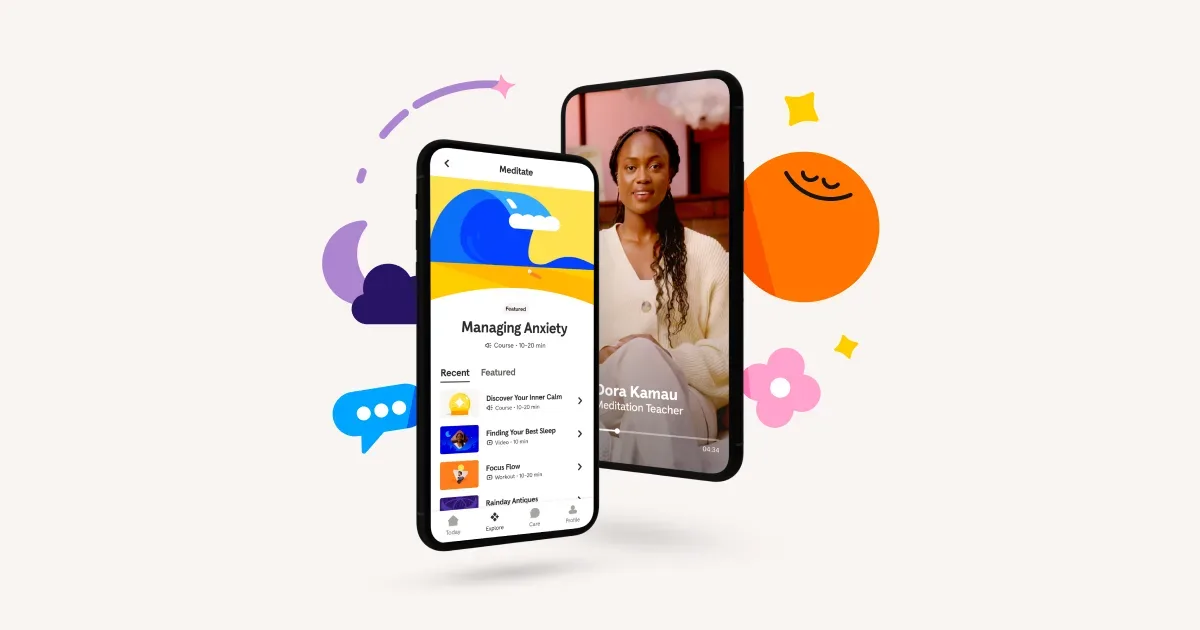
    Headspace is a meditation and mindfulness app with guided sessions, learning courses and audio for winding down or working with background sound. It offers a structured alternative to searching for a new meditation every day: beginners can follow introductory material, while other collections organize sessions around different interests and situations. A manageable way to begin is to choose one short course and decide when you will return to it. For example, you might use a brief guided session after making morning coffee, or choose a wind-down recording before bed. Headspace's Basics material introduces meditation techniques, and the broader library includes guided and unguided practices, breathing-related exercises and content for different experience levels. The useful starting point is a duration and teacher you feel comfortable returning to, rather than trying every category. Sleep resources include sleepcasts, soundscapes and other bedtime audio. Focus content includes music and listening options that can sit alongside a work session. These are different uses of the same library: an audio track for a desk task does not require the same routine as learning a meditation practice. Headspace's broader offering also includes AI guidance and separately described care services, so check the specific product and plan rather than assuming every advertised service is included in a standard app subscription. The breadth of the catalog can be an advantage, but choosing among many sessions may create extra friction for someone who wants a simple daily practice. It helps to identify a small repeatable routine before browsing more widely. Headspace may fit people who appreciate spoken guidance and a course structure; others may prefer silence, a basic timer or a different teaching style. Treat it as a tool for a personal routine and assess whether the content and subscription make sense for how you actually use it.

    Helps with

    AppleMobileBrowser
    CAD 17.99/month or CAD 89.99/year
    View
    Pzizz logo

    Sleep and nap soundscapes that shift your mental state fast

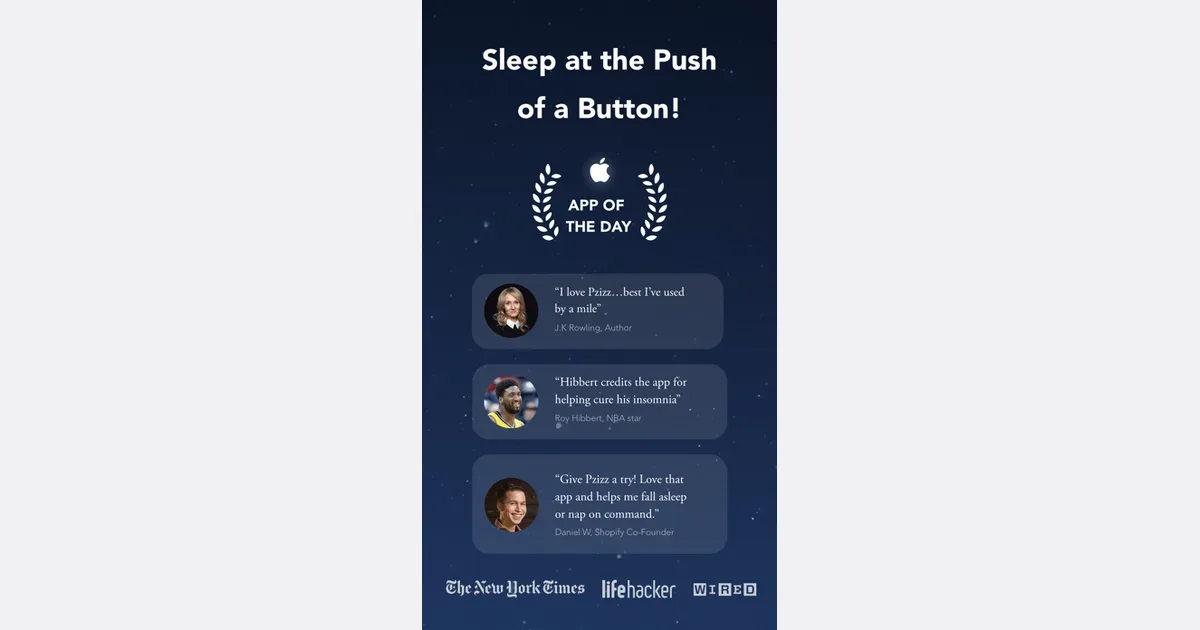
    Pzizz is an audio app organized around Sleep, Nap and Focus sessions. Its sound experiences combine music, atmospheric effects and optional spoken narration. It may appeal to someone who wants a guided listening routine with controls for the balance between voice and background sound, rather than a large library of conventional songs. The sleep and nap experiences use what Pzizz calls dreamscapes. The audio sequence varies between sessions, while familiar narration can provide something steady to listen to. You can adjust the voice and music levels, choose a session duration or wake-up time as appropriate, and use fade-out settings if you prefer the sound to stop after a while. Headphones can make spatial effects more noticeable, although the company also supports listening through a device speaker. Focus is a separate mode with its own sound choices. That makes the app usable at different points in a day: a defined work period, a short rest or a bedtime wind-down. A practical approach is to try one mode first and adjust only the controls that affect comfort, such as narration volume and playback length, before exploring more content. Pzizz offers free Classic content, with Pro unlocking a wider collection of dreamscapes, focuscapes, narrations and features. Pro access is tied to a Pzizz account and can be used across iOS and Android when signed in with that account. Check the current subscription terms and cancellation route for the place where you subscribe. The company describes its audio as informed by sleep research, but that does not promise the same result for every listener. Consider whether the voice and sound style feel restful to you, and whether the free content is sufficient before choosing a paid plan.

    Helps with

    AppleMobile
    Free; $7.99/month or $49.99/year
    View
    Rise logo

    Sleep debt and circadian rhythm tracker for energy optimization

    RISE is a sleep and energy app that emphasizes estimated sleep debt and a daily energy schedule. Rather than focusing only on a single night’s sleep score, it helps you look at sleep across time and consider when you may feel more alert or ready to wind down. It can use phone data and supported health integrations; a wearable is not essential. A useful first step is to check whether the recorded sleep matches your own understanding of the night. Then compare the app’s suggested energy pattern with a few days of actual experience. You might use that information to protect a wind-down period or choose a more suitable time for work requiring concentration, while keeping room for obligations that cannot move. RISE provides prompts for sleep-related habits and describes compatibility with services including Apple Health, Oura and Fitbit. Its predictions should be treated as estimates based on available information. Missing data, irregular schedules and how you personally feel all matter when deciding whether a suggestion is useful. A graph can provide context without becoming another daily performance target. This approach may suit someone who wants to connect sleep habits with the shape of the following day. It requires sharing or entering enough information for the estimates to be meaningful, and access is subscription-based. Check the current trial, renewal price and supported integrations on your device before subscribing. Persistent sleep difficulties deserve appropriate professional assessment; the app’s forecasts do not diagnose their cause.

    Helps with

    AppleMobile
    Subscription
    View
    Sleep Cycle logo

    Smart alarm that wakes you at the lightest phase of sleep

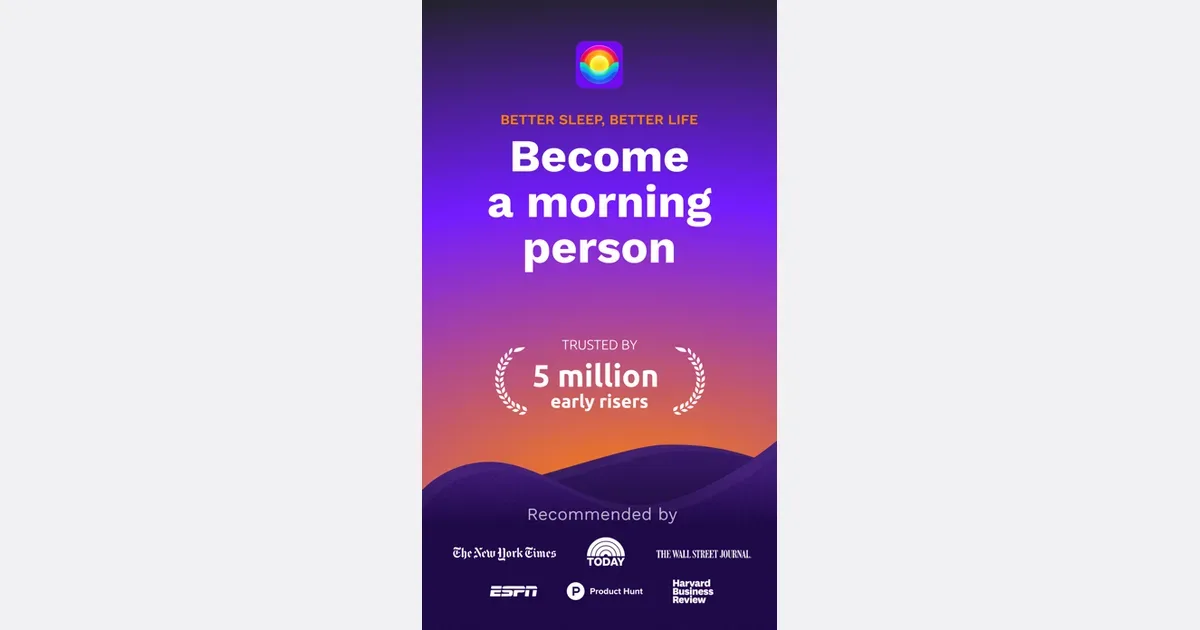
    Sleep Cycle is a sleep-tracking and alarm app that uses a phone to build a picture of your nights. Its core experience combines an overnight session, a morning sleep graph and a smart alarm that aims to wake you during a lighter period within your chosen wake-up window. It can be useful for someone who wants to review sleep routines without beginning with a separate wearable. A typical routine is to set the alarm, start tracking before bed and review the report in the morning. Sleep Cycle supports sound-based analysis and motion detection, with setup depending on the device and selected mode. Follow the placement guidance for that mode: microphone access, distance from the bed and background noise can affect what the app detects. Over time, the journal and statistics provide a way to compare nights and notice consistency. Sleep notes can add context such as an unusual schedule or an evening activity. Other tools include sleep sounds, stories and noise recordings. The free version includes the smart alarm, sleep analysis and nightly graph, while Premium expands statistics and offers features such as fuller Sleep Aid access and sound detection. Availability differs between platforms, so check the specific features offered on your phone. A useful way to approach the reports is to look for broad changes in duration and routine rather than pursue a perfect nightly score. Sleep stages are estimates, not medical measurements. The developer notes that fans, pets, phone placement and technical limitations can interfere with stage detection, and some nights may not produce clear enough data. Sleep Cycle may fit someone who likes a morning review and a flexible alarm window. It requires an overnight setup you can maintain, and recording or connected health features involve permissions worth reviewing. Treat unusual graphs as a prompt to check the setup and your own experience, rather than as a diagnosis.

    Helps with
    AppleMobile
    Free and Paid Plans
    View
    Happier Meditation logo

    Guided meditations and courses with personalized suggestions; formerly Ten Percent Happier

    Happier Meditation is the current name of the app previously known as Ten Percent Happier. It offers guided meditations and courses from experienced teachers, with recommendations intended to fit changing goals and preferences. Older reviews may refer to the former name or a different version of the app. A practical way to begin is to choose a short practice that fits a real moment in your day. Try the teacher’s style and the level of guidance before creating a daily commitment. If sitting still or following one kind of instruction feels difficult, explore another format or a shorter session rather than treating that response as a failure. The service describes a library of more than 500 meditations and a monthly check-in to help tailor recommendations. It also presents ways to bring mindfulness into ordinary activities, rather than limiting practice to a formal seated session. The teachers draw on different backgrounds, so explanations and approaches can vary across courses. Happier Meditation may suit people who prefer spoken guidance and want some help selecting a practice from a larger library. It still requires finding a format you want to return to, and the app cannot guarantee a particular emotional outcome. The official site offers a free trial, with subscription access and purchase terms shown through the current signup route. Confirm the trial duration, renewal price and cancellation process before subscribing, especially when following an older Ten Percent Happier recommendation.

    Helps with

    AppleMobile
    Free Trial
    View
    Waking Up logo

    Meditation app grounded in neuroscience and philosophy

    Waking Up is a meditation app that combines guided practice with lessons and conversations about the mind. Founded by Sam Harris, it presents meditation through a secular approach while drawing on several contemplative and philosophical traditions. The offering is intended for people interested in both doing a practice and examining the ideas behind it. A practical way to begin is to choose introductory material and return to it consistently enough to understand the teaching style. Listen to a session when you have a manageable period available, then distinguish the experience of practicing from the experience of hearing an interesting explanation. The two can support each other, but collecting more theory is not the same activity as taking part in a guided exercise. The library includes practice, theory and broader perspectives from different teachers. Its current site organizes content around themes and traditions, including approaches such as Zen, Vipassana and Stoicism. That range can offer useful context, but it also means the app has a particular intellectual and contemplative character. Check the current subscription and access arrangements before choosing it as a long-term routine. Waking Up may fit someone who wants meditation alongside deeper discussion, rather than only relaxing background audio or a basic timer. The trade-off is that some concepts can feel abstract or challenging, especially when you mainly want a brief pause in a busy day. Start with a clear entry point instead of trying to absorb the whole library. Evaluate whether the instructions and perspective feel helpful to you, and give yourself room to prefer a different teacher or a simpler format.

    Helps with

    AppleMobile
    Free Trial
    View